
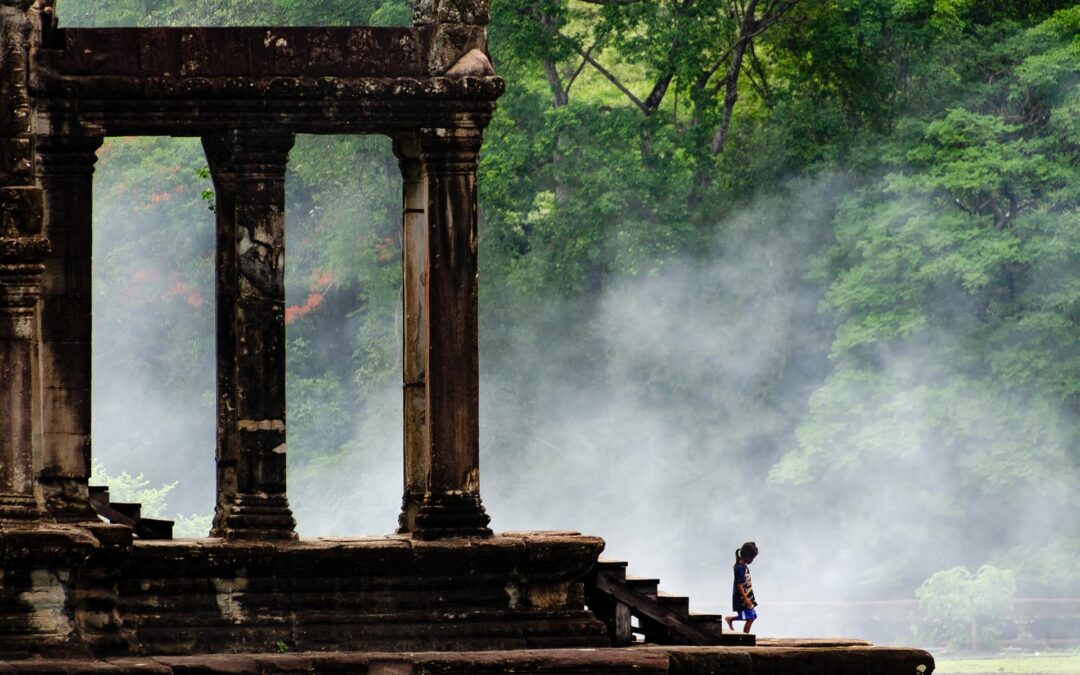
Angkor is one of the most extraordinary archaeological sites on Earth. With hundreds of temples spread across forests, rice fields, and ancient reservoirs, it offers endless photographic potential — but also real challenges. Crowds, harsh light, repetitive routes, and rushed itineraries often stand between photographers and truly meaningful images.
This guide explains how to photograph Angkor properly — by working with the light, avoiding the crowds, and spreading your visits over several days with a local photography expert in Siem Reap who knows exactly where to be and when to be there.
Timing Is Everything: Photograph Angkor Without the Crowds
Beyond photography, timing also shapes the cultural experience at Angkor. Visiting temples when they are quiet allows space for observation, understanding, and respectful interaction with monks, caretakers, and local worshippers — moments that are impossible during peak tourist hours.
The biggest mistake photographers make at Angkor is following standard tourist schedules. Arriving late, staying too long at the same sites, and trying to see everything in one day almost guarantees crowded frames and missed light.
A local photography guide understands:
- Which temples empty quickly
- Which locations remain quiet during peak tourist hours
- How light moves through corridors, galleries, and towers throughout the day
Instead of fighting crowds at Angkor Wat’s main causeway, we guide you to alternative viewpoints and quieter temples where silence still exists. With careful timing, your lens can capture images far beyond the usual tourist snapshots.
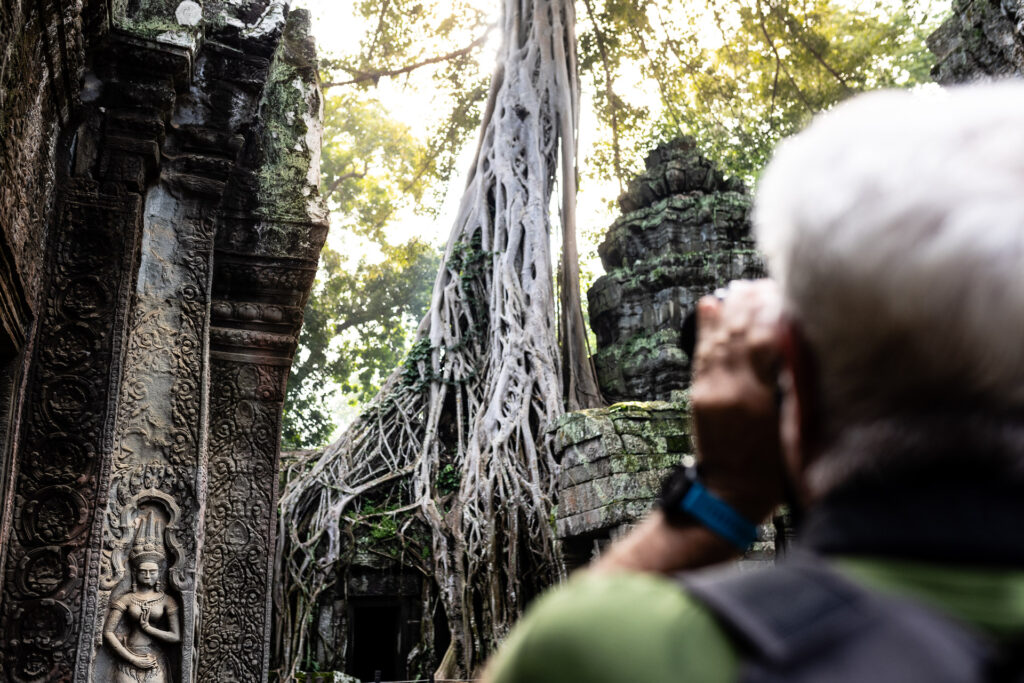
Follow the Light, Not the Checklist
Angkor is not a place to rush. The temples are massive, similar in structure, and deeply interconnected with light and shadow. Trying to visit too many temples in a single day leads to visual repetition and exhaustion.
We intentionally spread visits over multiple days, allowing photographers to:
- Photograph each temple under its best possible light
- Return to locations when conditions improve
- Slow down and refine compositions
Early morning light reveals texture and relief carvings. Near midday light works beautifully inside galleries, corridors or monasteries. Late afternoon brings contrast, atmosphere, and depth. Being at the right temple at the right time makes all the difference.

Composition: Making Sense of Monumental Architecture
Photography at Angkor is inseparable from understanding why the temples were built the way they were. Composition is not only about aesthetics — it is also about reading history, symbolism, and spiritual intention embedded in Khmer architecture.
Angkor’s scale can be overwhelming. Without strong composition, images quickly become chaotic or flat. Our photography tours focus on seeing with intention, using classical compositional tools that bring order and emotion to complex scenes.
We work extensively on, while also explaining their cultural and symbolic meaning:
- Leading lines from causeways, corridors, and staircases
- Rule of thirds to balance towers, monks, and negative space
- Natural framing using doors, windows, and tree roots
- Layering and depth to convey scale
By slowing down and working the scene, photographers learn how to transform iconic locations into personal, refined images.
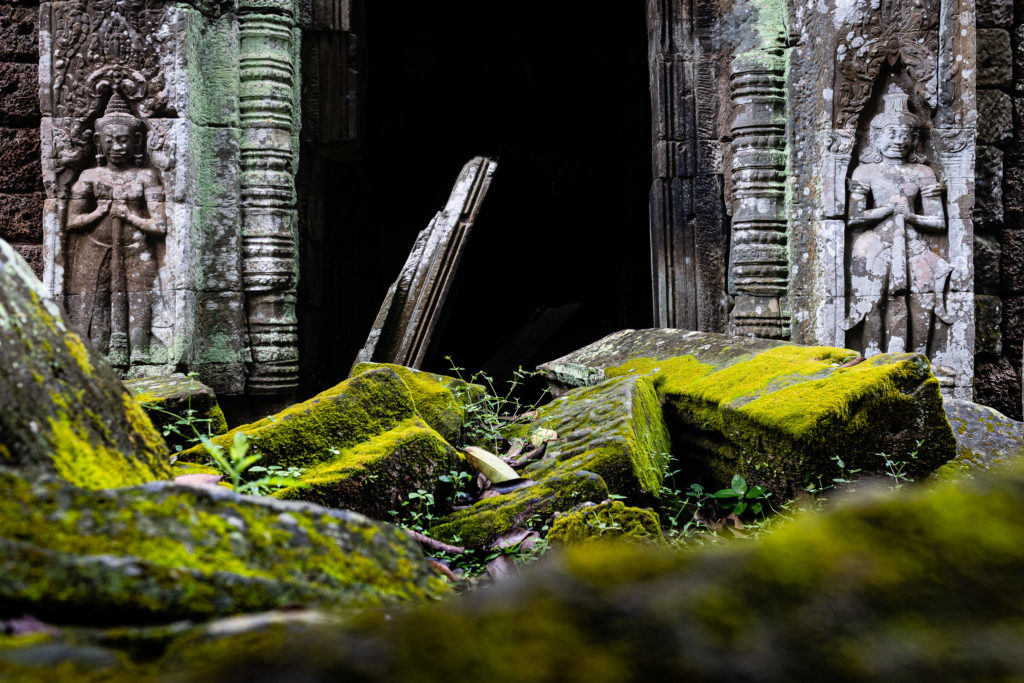
Don’t Do Angkor in One Day (or Even Two)
Angkor is not designed for speed. Attempting to see everything at once is not only exhausting — it’s counterproductive for photography.
Why we avoid one‑day marathons:
- You cannot chase good light across the entire complex
- Temples begin to feel repetitive when rushed
- There’s no flexibility for weather, monks, or moments
Instead, we design itineraries that balance iconic temples with quieter, lesser‑visited sites, creating rhythm and variety in your photographic storytelling.
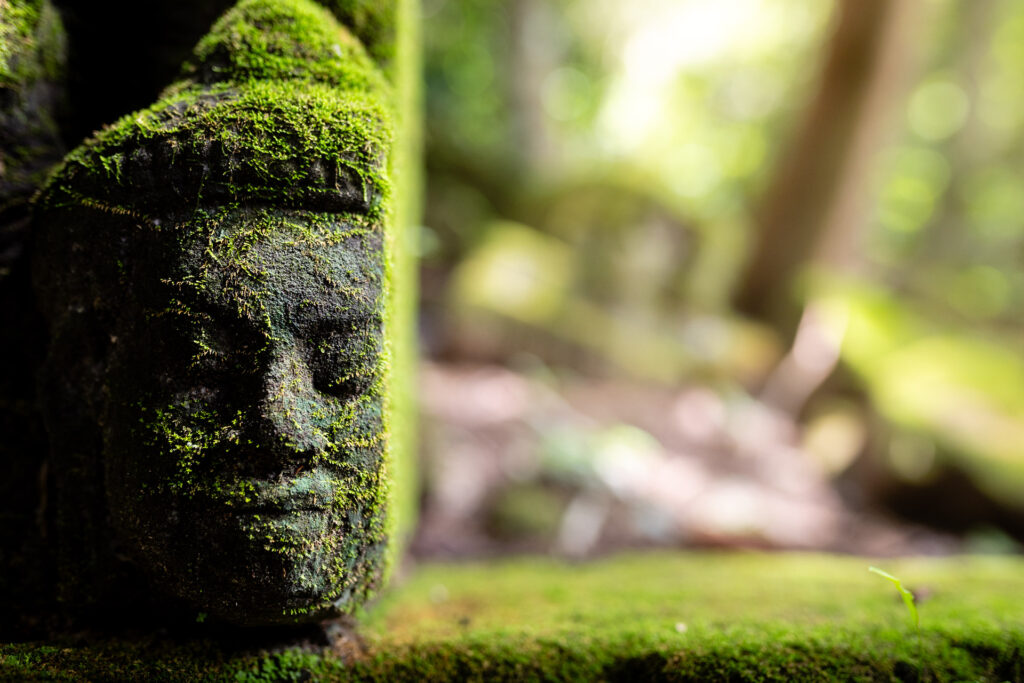
Our Photography Tours at Angkor
All our tours are designed as deep cultural experiences, not just photography outings. While photography is central, equal importance is given to history, religion, daily life, and local context — helping you understand what you are photographing and why it matters.
Hidden Angkor — Classic Temples, Perfect Timing
Hidden Angkor is ideal for photographers who also want a meaningful cultural introduction to Angkor. As we move through iconic temples, we explain their history, spiritual significance, and how they are still used today by local communities.
Explore Angkor’s most iconic temples in the best light and with fewer crowds. This half‑day or full‑day photography tour includes major highlights like Angkor Wat and Ta Prohm — plus hidden corners most visitors miss — with continuous guidance on composition and timing.
Discover the Hidden Angkor Photography Tour

Secrets of Angkor — Quiet Temples & Creative Freedom
Secrets of Angkor goes deeper into the cultural heart of the Angkor complex. By visiting lesser-known temples and active monasteries, you experience Angkor as a living spiritual landscape, not an open-air museum.
Leave the busiest sites behind and explore lesser‑known temples and peaceful locations inside the Angkor complex. This tour emphasizes originality, atmosphere, and patience — perfect for photographers seeking calm and authenticity.
Explore the Secrets of Angkor Photo Tour
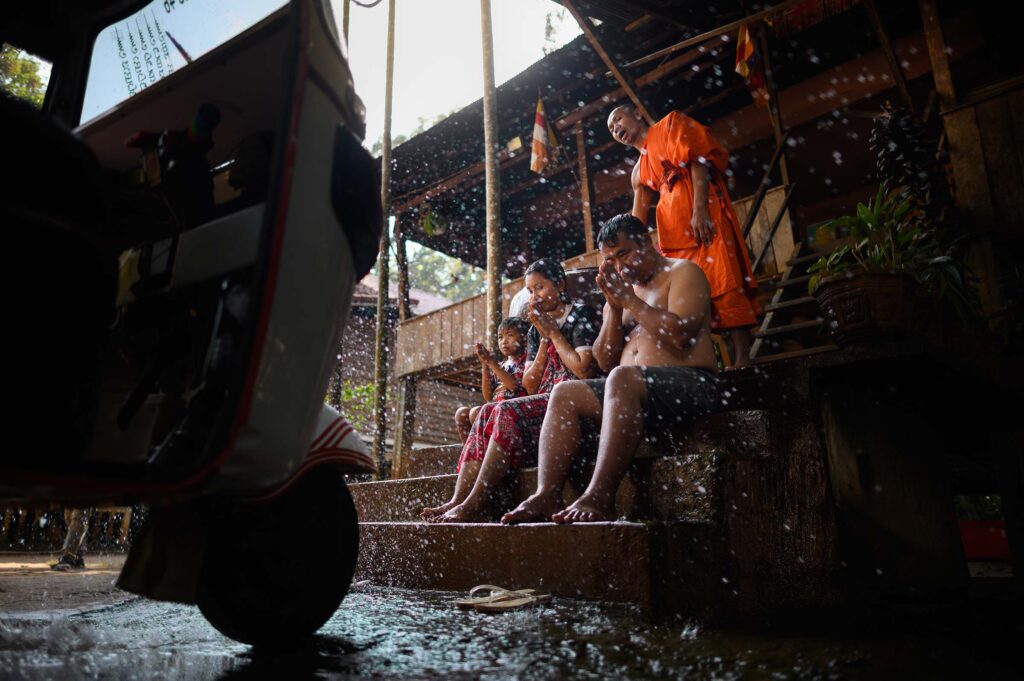
Full Angkor Experience — A Complete Visual Story (3–6 Days)
The Full Angkor Experience is as much about understanding Cambodia as it is about photography. Over several days, you explore temples, villages, markets, and Tonlé Sap Lake, gaining insight into daily life, beliefs, and traditions that shape the images you create.
Designed for photographers staying longer in Siem Reap, this multi‑day experience blends Angkor’s temples with local markets, Tonlé Sap floating villages, and everyday Cambodian life. Visits are paced carefully to maximize light and minimize repetition.
View the Full Angkor Experience
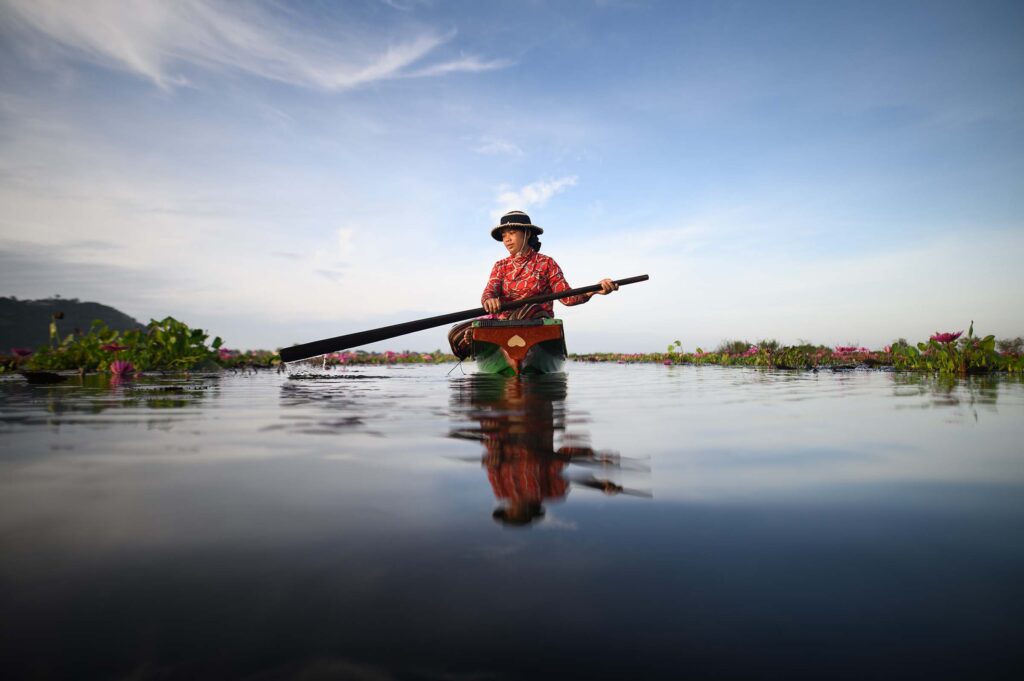
Cambodia Photography Workshop — Go Beyond Angkor
This workshop is a complete cultural and photographic immersion. Beyond technical guidance, it offers deep engagement with Cambodian life — from rural communities to spiritual ceremonies — giving photographers the context needed to tell honest, respectful stories.
For photographers who want the ultimate Cambodia experience, our in‑depth workshop goes far beyond Angkor. Spend extended time shooting temples, countryside, village life, markets, and cultural scenes with professional mentoring throughout.
Join the Cambodia Photography Workshop
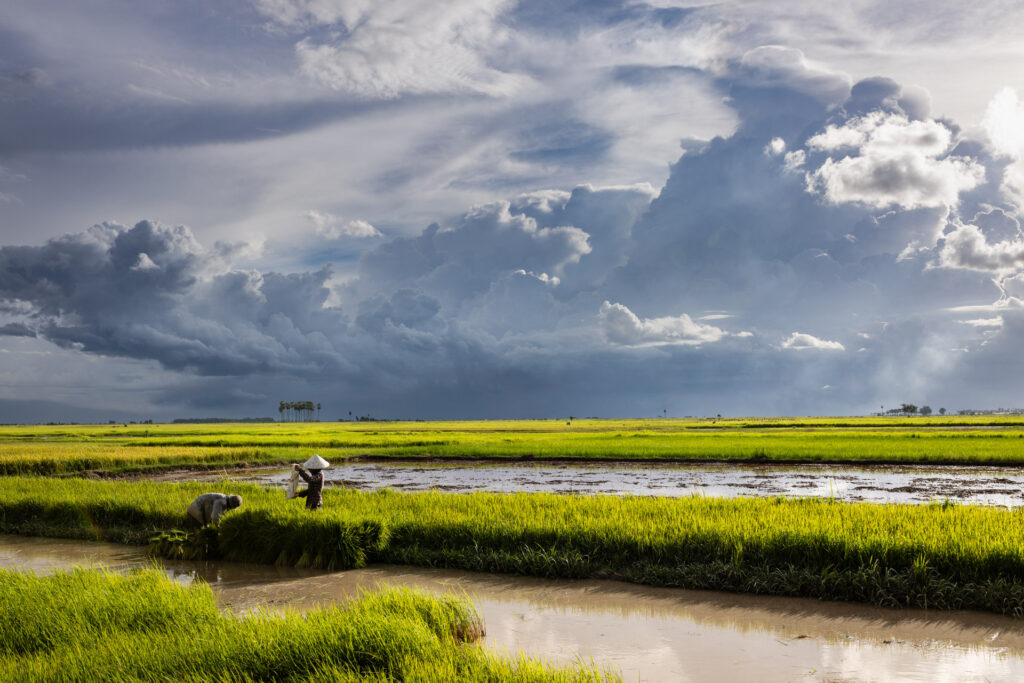
Photograph Angkor the Right Way
Photographing Angkor well means more than mastering light and composition — it means connecting with the culture, history, and people that give these temples meaning.
Angkor rewards patience, local knowledge, and respect for light. With the right timing, thoughtful composition, and a multi‑day approach, the temples reveal themselves in powerful and unexpected ways.
If you’re looking for a local Angkor photographer and guide who will help you avoid the crowds and create meaningful images — we would be happy to show you Angkor as it truly deserves to be photographed.
Start Planning Your Angkor Photography Tour